

EU, UK and US Shoe Sizes: How to Choose Your Fit
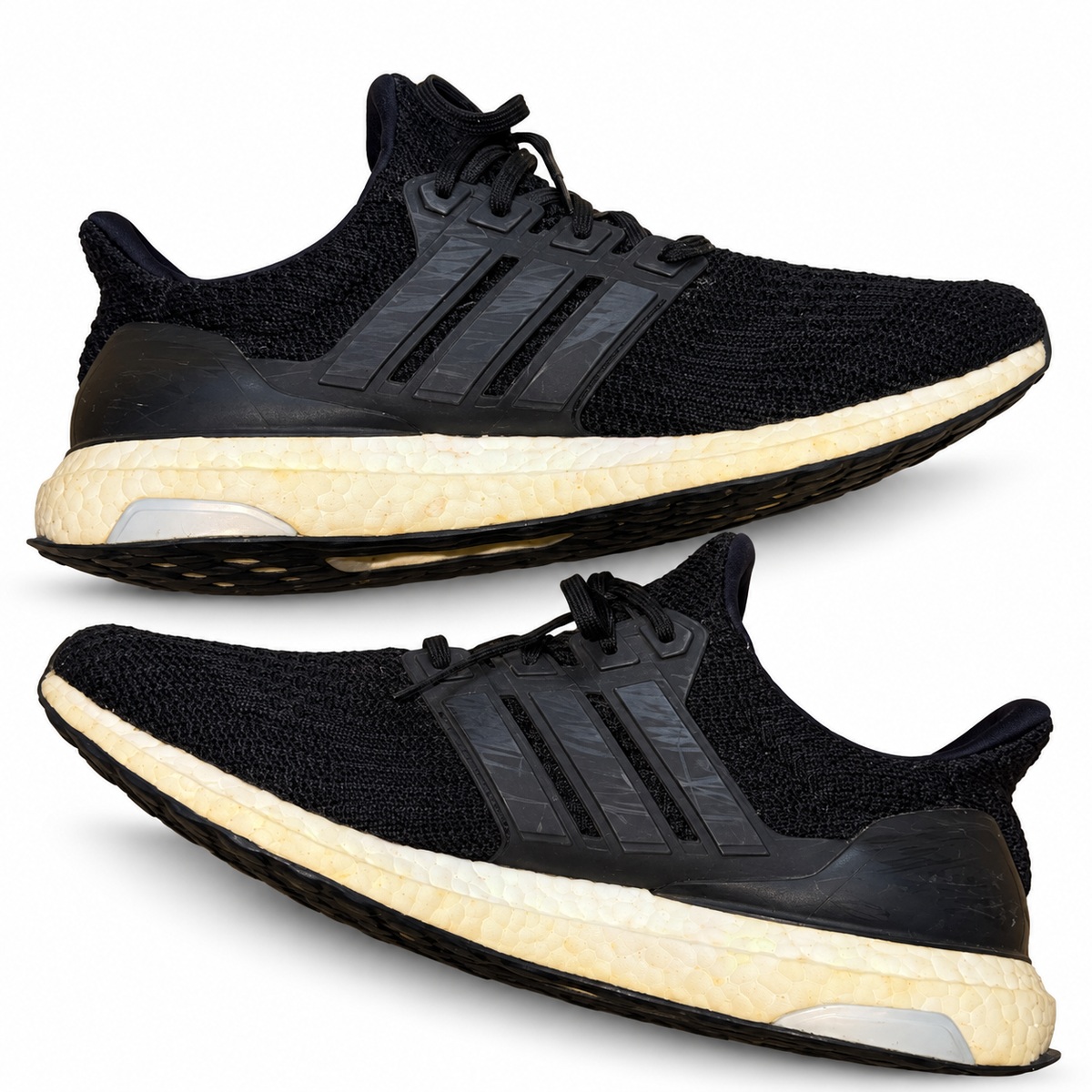
Do you usually wear an EU 42, a UK 8 or a US 9? These numbers can describe similar sizes on some charts, but they are not a universal conversion for every brand and shoe. Start with the label of the actual pair and the manufacturer’s chart.
Measure before comparing
Use a sheet of paper, a pencil and a ruler. Measure both feet while standing, following the method in the relevant brand’s guide, and use the larger measurement when comparing with its chart. Adidas recommends checking measurements at the end of the day. Record the result in centimetres rather than relying only on the number printed inside your current shoes.
Match the chart to the pair
Check whether the label follows men’s, women’s or children’s sizing. US men’s and women’s numbers differ, and width can affect fit even when the length looks right. Some brands use fractional EU sizes, including ⅓ and ⅔. Keep those fractions when reading a listing instead of rounding them to the nearest half size.
Read the original size label
At OpalFit, check the label photographs where available. A website size chart is a guide, and any approximate conversion should be treated as a starting point. If the label is faded or missing, a seller-supplied size is not the same as a label-confirmed size. Ask for clarification or measurements before purchasing if you are between sizes.
Think about your usual fit
Compare with shoes that already fit you well, especially from the same brand. Consider whether you normally need a wider fit and what socks you will wear. Preloved footwear may have changed shape through use, so photographs and condition details also help you decide.
For the manufacturer’s method, see the Adidas shoe measurement guide. Then browse new arrivals by EU size, read our buying checklist, or ask OpalFit about a specific pair.
Comments
Be the first to comment.